Vulnerability devices
3D Digital print
2021*
3D Digital print
2021*


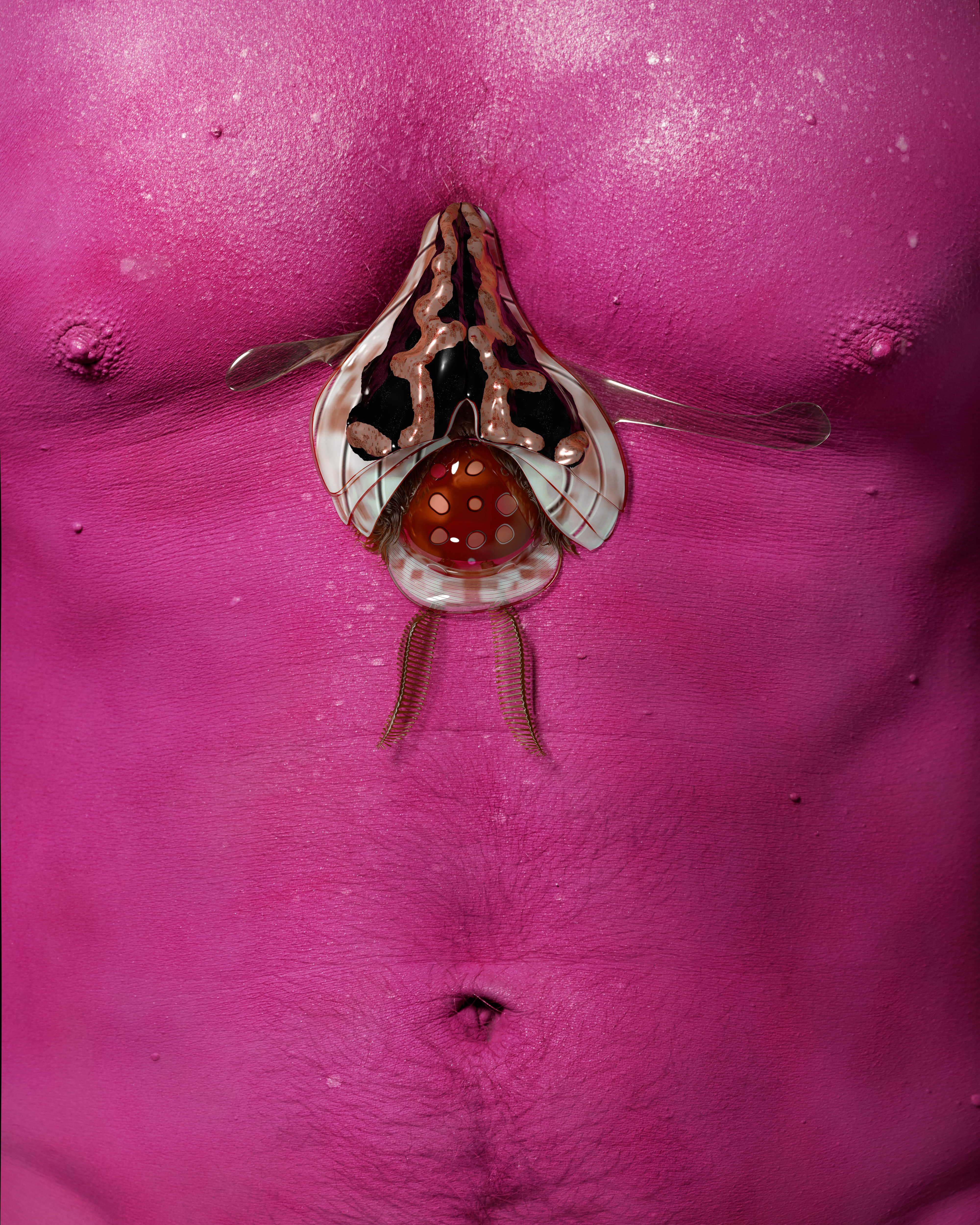
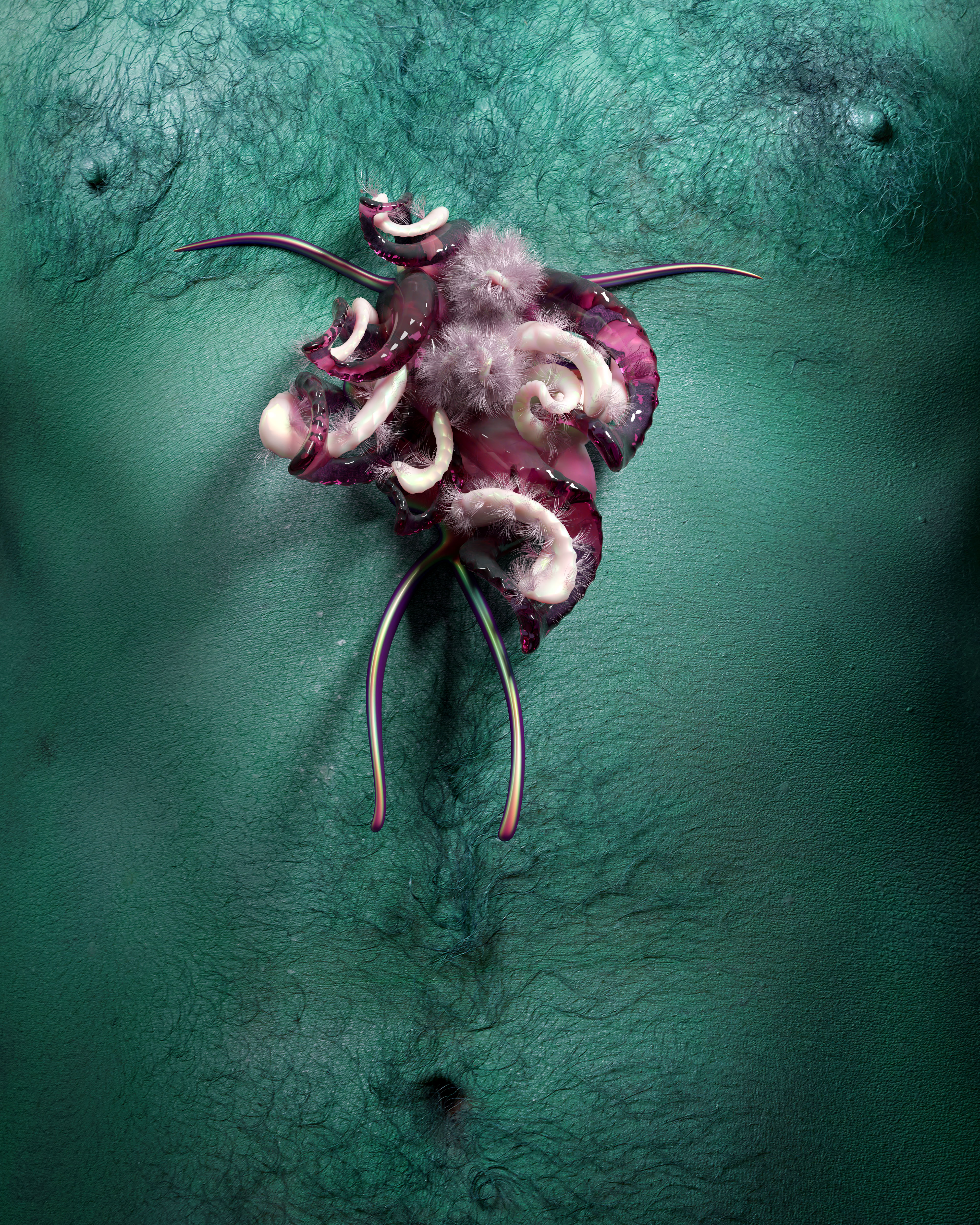
The human torso is a mythologised, politicised and gendered site. It is a focal point for social struggles around sexualisation, breastfeeding, binary gender ideals and the representation of post-operative bodies. It is a body part that is continually exposed to scrutiny, classification and regulation.
The policing of LGBTQIA+ identities and desires is closely connected to the assumption that bodies can be read as evidence of an underlying truth, and that institutions can claim authority over this truth. As explored in the documentary Disclosure, the representation of trans bodies has a long history of shaping how they are understood, controlled and made visible.
I want to explore the intersection between the ideal of the 'right' kind of torso and the demand for queer desire and identity to be authenticated. What happens when bodily signals are treated as evidence of who someone is, or what they desire?
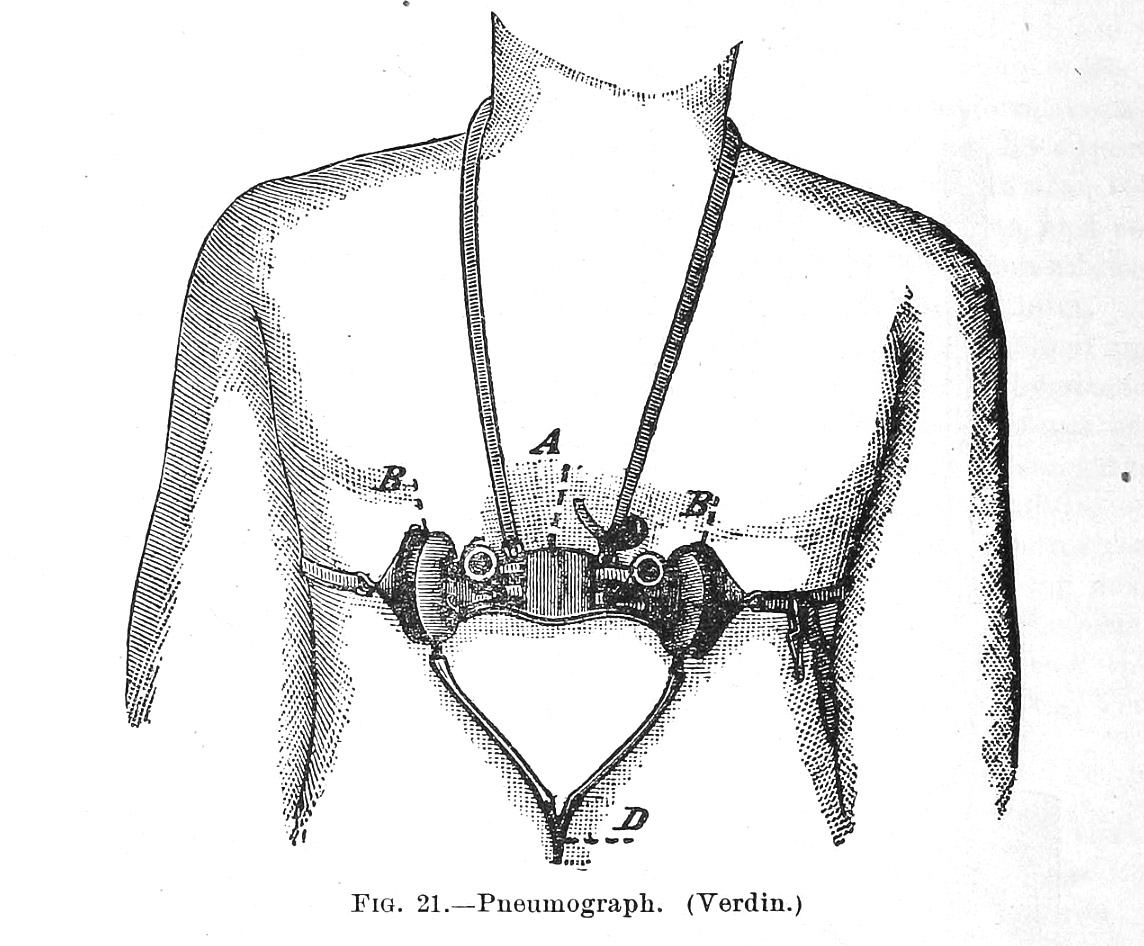
My research begins with Verdin's pneumograph, an early twentieth-century chest device designed to measure respiratory movements through changes in electrical resistance. Its historical context connects the measurement of bodily signals to wider attempts to classify bodies as normal or abnormal. Arthur MacDonald's 1905 report Man and Abnormal Man is one example of the scientific and institutional frameworks through which bodily difference was documented and interpreted.
This history intersects with the development of technologies intended to identify, classify or measure sexual identity and desire. These include the 'fruit machine', developed in Canada in the 1950s in an attempt to identify gay men, and the vaginal photoplethysmograph, introduced in the 1960s and further developed in the 1970s to measure physiological changes associated with genital arousal.
Across these different contexts, bodily measurements have been used to construct claims about identity, normality and desire, often obscuring the distance between physiological response and subjective experience. My research approaches these devices not simply as instruments of surveillance, but as speculative starting points for reimagining the relationship between bodies, signals and identity.
Harvey Lancaster-Rous
Francisco Ortega
Axel Gutapfel